Signs Your Pool Needs Resurfacing: Advice for Jacksonville Homeowners
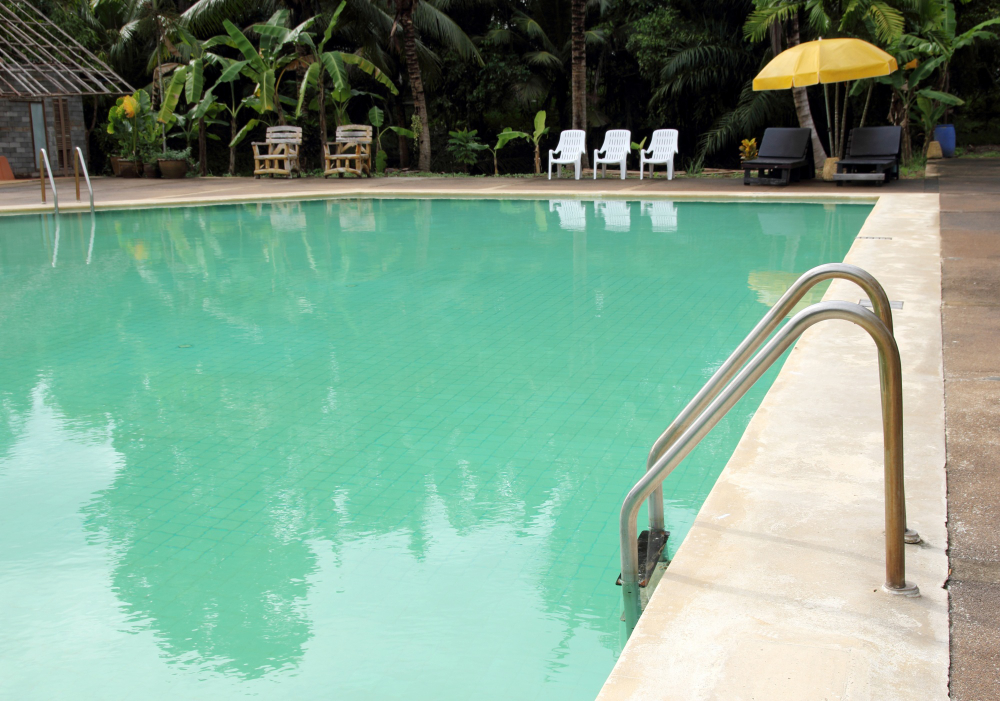
Owning a pool in Jacksonville is a great way to beat the heat, but keeping it in top shape takes work. The hot Florida sun, regular use, and chemical treatments can wear down your pool's surface over time. If you’ve noticed your pool looking a little tired or feeling rough underfoot, it might be time for a refresh. Ignoring these early warning signs can lead to bigger, more expensive problems down the road.
We’ve helped countless homeowners across Jacksonville bring their pools back to life. From historic homes in San Marco to family pools in Mandarin, we know exactly what local pools face. Here are the clear signs that your pool is crying out for professional resurfacing.
Visual Cues That Your Pool Needs Help
The most obvious signs of a problem are the ones you can see right away. Your pool should be the sparkling centerpiece of your backyard, not an eyesore. If the water looks murky even after cleaning, or the walls look patchy, pay attention.
Stains That Won’t Scrub Away
Stubborn stains are frustrating. They can be caused by copper or iron in the water, organic debris like leaves, or just age. In Jacksonville, our mineral-rich water and heavy oak tree canopies often contribute to staining. If you have tried acid washing and scrubbing, but those brown, gray, or teal blotches remain, the issue is likely deep in the plaster. Resurfacing gives you a fresh, clean slate.
Chalking and Cloudy Water
Have you noticed a white, powdery residue on your clothes or skin after swimming? That’s called chalking. It happens when the pool plaster breaks down and releases particles into the water. This makes your water look perpetually cloudy and means your surface is deteriorating rapidly.
Discolored or Peeling Plaster
Peeling or flaking plaster—often called spalling—is a sure sign of failure. It usually happens near the steps or the floor of the shallow end. Once the plaster peels away, it exposes the rough concrete underneath, which looks unsightly and can be painful to walk on.
Physical Texture: Is Your Pool Rough on Feet?
Your pool surface should feel smooth and comfortable. If your kids are complaining about scraped knees or snagged swimsuits, that’s a red flag.
Rough Spots and Pitting
Over time, pool chemicals eat away at the smooth top layer of your plaster, leaving behind rough, pitted areas. These tiny craters are annoying to touch, but they also harbor algae and bacteria. Pitting makes it much harder to keep your pool clean because dirt gets trapped in those little divots.
For a smoother, longer-lasting finish, many Jacksonville homeowners are upgrading to exposed aggregate finishes. We highly recommend Pebble Tec for its durability and natural texture. It holds up beautifully against our intense Florida UV rays and resists the chemical erosion that destroys standard marcite plaster.
Structural Warning Signs: Cracks and Leaks
While cosmetic issues are annoying, structural signs are serious. Catching these early can save you thousands of dollars in major repairs.
Spiderweb Cracks vs. Structural Cracks
Tiny, spiderweb-like cracks (crazing) are common in older plaster. They usually aren't leaking, but they are ugly. However, larger cracks that run deep into the concrete shell are dangerous. These can lead to significant water loss and soil erosion around your pool shell. If you see a crack that is growing or seems deep, call a professional immediately.
Falling Tiles
If the waterline tiles are falling off or sound hollow when you tap them, the bond behind them is failing. This often happens in tandem with deck issues. While you're addressing the pool surface, it’s a smart time to inspect your coping and surround. Many homeowners choose to update their decks and pavers during the resurfacing project to create a cohesive look.
Unexplained Water Loss
Evaporation is normal in Jacksonville summers, but losing more than a quarter-inch of water a day is suspicious. A failing surface can become porous, allowing water to seep out. Resurfacing seals the pool shell tight again, stopping those slow leaks that drive up your water bill.
Health and Maintenance Issues
A deteriorating surface makes it incredibly difficult to maintain healthy water chemistry.
Persistent Algae Growth
When your pool surface is pitted and rough, algae spores have plenty of places to hide. You might find yourself shocking the pool constantly, only to see green spots return a few days later. Resurfacing smooths out those hiding spots, making your regular cleaning routine much more effective.
Chemical Imbalances
When plaster breaks down, it affects the pH of your water. You might find yourself constantly adding acid to lower the pH, or struggling to keep chlorine levels stable. This constant battle is a waste of money and time. A fresh surface stabilizes the environment, making water chemistry easier to manage.
Jacksonville Specifics: Why Location Matters
The climate in Northeast Florida is tough on pools. Our sweltering summers, intense UV index, and occasional freeze warnings in winter cause thermal shock. The ground expands and contracts, putting stress on your pool shell and surface.
We see specific issues in different parts of town. In areas near the Intracoastal or the beaches, salt air can accelerate wear on coping and older equipment. Inland neighborhoods like Avondale or Riverside often deal with heavy tree debris staining the plaster. Understanding these local factors helps us recommend the right finish for your specific location.
For example, pool resurfacing Jacksonville Florida projects often benefit from aggregate finishes because they are harder and less porous than traditional plaster. This resilience is key to withstanding our specific weather patterns.
Cost Factors: Resurfacing vs. Short-Term Fixes
We know budget is a major concern for homeowners. It’s tempting to try a patch repair or a DIY paint job, but these are band-aids, not cures.
The Cost of Waiting
Ignoring a failing surface doesn't save money; it usually costs more. A small leak can wash away the soil supporting your pool shell, leading to massive structural cracks. Rough surfaces can tear expensive pool liners or automated cleaner tracks.
Investment vs. Expense
Think of pool resurfacing Jacksonville Florida as an investment in your home’s value. A standard plaster job might cost between $5,000 and $8,000, while a premium finish like Pebble Tec can run $8,000 to $15,000. However, that premium finish lasts 15-20+ years compared to the 5-10 years you get from standard plaster. In the long run, the premium option is often cheaper per year of use.
DIY vs. Professional Resurfacing
You can paint a bedroom yourself, but resurfacing a pool is a different beast.
The Risks of DIY
Pool resurfacing requires specialized equipment, hazardous chemicals, and precise timing. If the mixture is too wet or too dry, or if it rains halfway through application (a classic Jacksonville afternoon surprise), the entire finish can fail within months.
The Professional Advantage
Hiring a licensed professional ensures the job is done right. We have the crews to chip out the old surface, prepare the shell properly, and apply the new finish evenly. Plus, professional installations come with warranties. With pool resurfacing Jacksonville Florida services, you get peace of mind knowing your investment is protected against peeling and delamination.
Get Your Pool Ready for Summer
If you’re seeing cracks, feeling rough spots, or fighting a losing battle with algae, don't wait until the middle of July to fix it. A resurfaced pool is easier to clean, cheaper to maintain, and safer for your family.
We’re here to help you get your backyard oasis back in shape. Whether you're in Arlington, the Southside, or out at the Beaches, we have the local experience to handle your renovation.
Need a Professional Opinion?
Stop guessing and start swimming in a beautiful pool again. Contact All Phase Pool Remodeling, Inc at (888) 714-7665 today for a free consultation. We’ll inspect your pool, explain your options, and help you choose the perfect finish for your home and budget.