Pool Resurfacing in Orlando, FL: How Often You Really Need It
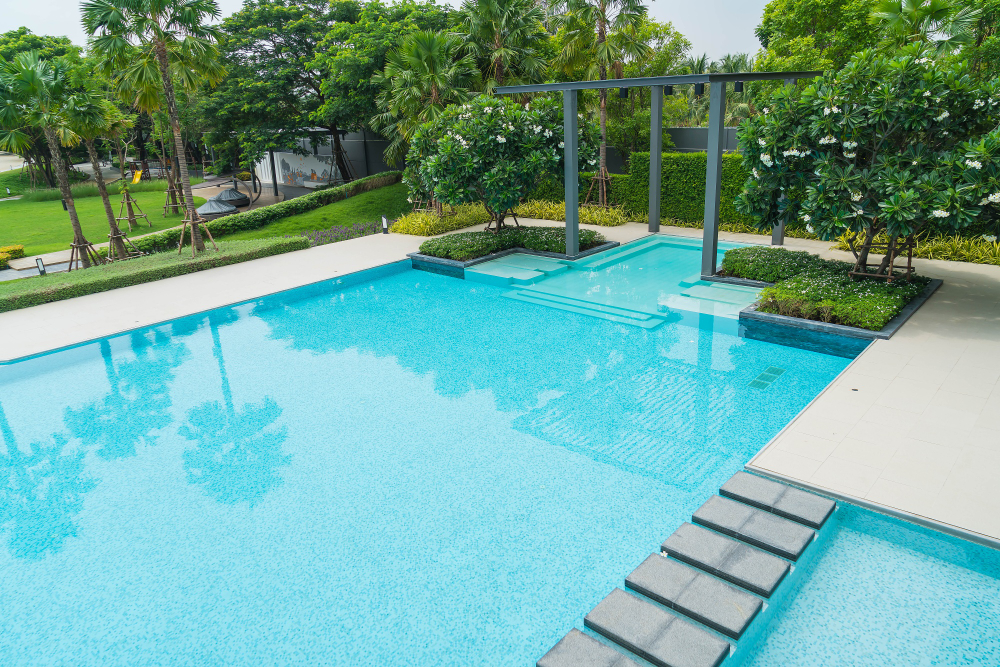
There’s nothing worse than stepping out into the humidity of a Central Florida afternoon, ready to jump in the pool, only to scrape your foot on a rough surface. If your backyard oasis in Orlando is starting to look a little tired or feel like sandpaper, you’re likely wondering if it’s time for a refresh.
At All Phase Pool Remodeling, we help homeowners across Orlando—from the historic homes in Winter Park to the new builds in Lake Nona—keep their pools looking their best. We know that in our climate, a pool isn’t just a luxury. It’s a necessity for surviving the summer. Here is the honest truth about when you actually need to resurface your pool and what to expect from the process.
What Is Pool Resurfacing?
Pool resurfacing is the process of chipping away or hydro-blasting the old, damaged interior surface of a concrete pool and applying a fresh new layer. This new layer seals the concrete shell, stops leaks, and restores the smooth look of your pool. It’s different from a simple acid wash, which only cleans stains. Resurfacing gives you a brand-new interior finish.
Most Orlando homeowners choose between three main types of finishes. Standard white plaster is the classic, smooth option and usually the most affordable. Quartz aggregate mixes plaster with quartz pieces for a harder, longer-lasting surface. Pebble finishes use small river stones embedded in the surface, offering the highest durability and a natural look that fits right in with Florida landscaping.
How Often Should You Resurface a Pool in Orlando?
In Orlando, expect to resurface your pool every 10 to 15 years if you have a pebble finish. Standard plaster surfaces usually last 7 to 10 years before the Florida sun and chemical wear break them down. If you see deep cracks or rough spots that tear up swimsuits, it’s time to call a pro regardless of the age.
While those numbers are the industry standard, our team sees plenty of variation depending on where you live and how you care for the water. A screened-in pool in Dr. Phillips might get a few more years out of its surface than an open-air pool in Oviedo that fights falling oak leaves and direct UV exposure every day.
Several factors speed up that timeline. If your chemical balance swings wildly—letting pH drop too low or calcium hardness get too high—the water becomes aggressive. It eats away at the surface, causing pitting and etching much faster than normal. Proper maintenance is the single biggest factor in extending the life of your investment.
View our pool resurfacing gallery
Does Orlando’s Climate Damage Pool Surfaces Faster?
Yes, Orlando’s intense UV index and 90-degree summer days put significantly more stress on pool surfaces than cooler climates do. The sun bleaches colored finishes over time, and the heat causes water to evaporate quickly, which concentrates minerals and chemicals that can scale or stain the surface.
Our afternoon thunderstorms are another major factor. When we get those heavy 3 PM downpours in August, they dump acidic rainwater and organic debris into your pool. This messes with your water chemistry instantly. If you don't adjust your chemicals after a storm, that acidic water starts attacking the plaster finish.
We also deal with a high water table here in Central Florida. This creates hydrostatic pressure—water pressure from the ground pushing up against the bottom of your pool shell. If your surface is compromised, this pressure can cause the finish to pop off or delaminate, leading to hollow spots.
What Are the Signs Your Pool Needs Resurfacing?
You need to resurface your pool if you notice structural cracks, severe staining that won't brush off, or a texture that feels like 60-grit sandpaper. Leaks that cause you to lose more than 1/4 inch of water a day are also a major red flag. These signs mean the protective seal is failing and your pool shell is at risk.
Cracks: Tiny "check cracks" are common in plaster, but structural cracks that run deep or through the shell are serious. We often see these in older pools in neighborhoods like College Park where the ground has settled over decades.
Rough Texture: As plaster wears down, the smooth cement washes away, leaving rough sand or aggregate exposed. This is known as "etching." If your kids complain about scraped toes after swimming, your surface is past its prime.
Discoloration and Stains: Copper, iron, and manganese from well water (common in east Orange County) can cause blue, gray, or brown stains. While acid washing helps temporarily, deep staining usually means the surface has become porous and is absorbing the minerals.
Chalky Residue: If you brush the side of the pool and see a cloud of white dust, or your swimsuit has a chalky film on it, the plaster is breaking down. This is called oxidation, and it’s a sign the binder in the plaster is failing.
How Much Does Pool Resurfacing Cost in Orlando?
Pool resurfacing in Orlando typically costs between $6,500 and $12,000 depending on the size of your pool and the finish you choose. A basic white plaster finish for a standard 15x30 foot pool starts around $6,500, while a premium pebble finish often runs $9,000 or more. Adding waterline tile replacement adds another $1,500 to $3,000 to the total.
Factors affecting the price:
- Pool Size: More surface area equals more materials and labor.
- Prep Work: If your pool has multiple layers of old surface that need to be chipped out, or if there are hollow spots (delamination), the labor cost goes up.
- Finish Type:
-
- Plaster: $6,500 - $8,000 (Lasts 7-10 years)
- Quartz: $7,500 - $9,500 (Lasts 10-12 years)
- Pebble: $9,000 - $14,000+ (Lasts 15-20+ years)
- Features: Spas, steps, benches, and sun shelves add detail work that increases the price.
While the upfront cost of pebble is higher, most of our customers find it pays off in the long run because you won't have to do it again for nearly two decades.
Can You Resurface a Pool Yourself?
No, you shouldn't try to resurface a pool yourself because it requires specialized equipment to mix and pump the material, plus expert troweling skills to get a smooth, watertight finish. Even a small mistake in the mixing ratio or application timing can lead to the entire surface popping off within a year.
We have seen plenty of DIY disasters where homeowners tried to paint their pools with epoxy paint to save money. In our humid Florida climate, pool paint often bubbles and peels within 12 to 24 months. Then, you end up paying double: once for the failed paint job, and again for a professional to sandblast the paint off before they can apply a proper surface.
Professional crews work fast—usually finishing the application in a few hours—because the material cures quickly in the heat. Without a full crew, you can't keep a "wet edge," resulting in ugly seams and potential leak points.
How Do You Maintain a Newly Resurfaced Pool?
Maintain a newly resurfaced pool by brushing it twice a day for the first 14 days and keeping the water chemistry perfectly balanced. The first 28 days are critical for the curing process. If you skip brushing, dust will settle and harden, leaving your new smooth surface feeling rough and looking cloudy.
The 28-Day Start-Up Process:
- Fill it up: Don't stop the water until it reaches the middle of the tile. Stopping creates a permanent ring.
- Brush, brush, brush: Brush the entire pool, walls and floor, twice daily to remove plaster dust.
- Balance Chemicals: Wait until the pool is full to add chemicals. Start the pump immediately but leave the heater off for at least 3 weeks.
- No Swimming: Stay out of the pool until the dust is gone and chemicals are balanced (usually 3-5 days for plaster, longer for start-up procedures [1]).
- Watch the pH: New plaster causes pH to spike. You will need to add acid frequently during the first month to keep it in the 7.4-7.6 range.
Proper start-up care is the difference between a surface that lasts 5 years and one that lasts 15. At All Phase Pool Remodeling, we provide detailed instructions and can even handle the start-up process for you to make sure your warranty stays intact.
Choosing the Right Company for the Job
When looking for pool resurfacing in Orlando, FL, check for a valid state contractor's license (CPC) and specific experience with the finish you want. Ask to see examples of pools they resurfaced 5 or 10 years ago, not just brand new ones. A good surface looks great on day one; a great surface still looks good a decade later.
Our team knows the local codes in Orange and Seminole counties inside and out. We know which permits you need and how to handle the specific groundwater issues we face in different parts of the city. We don't cut corners on prep work because we know that's where the longevity comes from.
Ready to Restore Your Pool?
If your pool surface is looking rough, stained, or cracked, don't let it ruin another summer. A resurfaced pool adds value to your home and makes swimming fun again.
Contact All Phase Pool Remodeling today for a free estimate. We’ll inspect your current surface, explain your options, and give you a clear, honest quote. Let's get your pool ready for the heat.