Pool Repair in Orlando, FL: How Heat, Storms, and Hard Water Damage Your Oasis
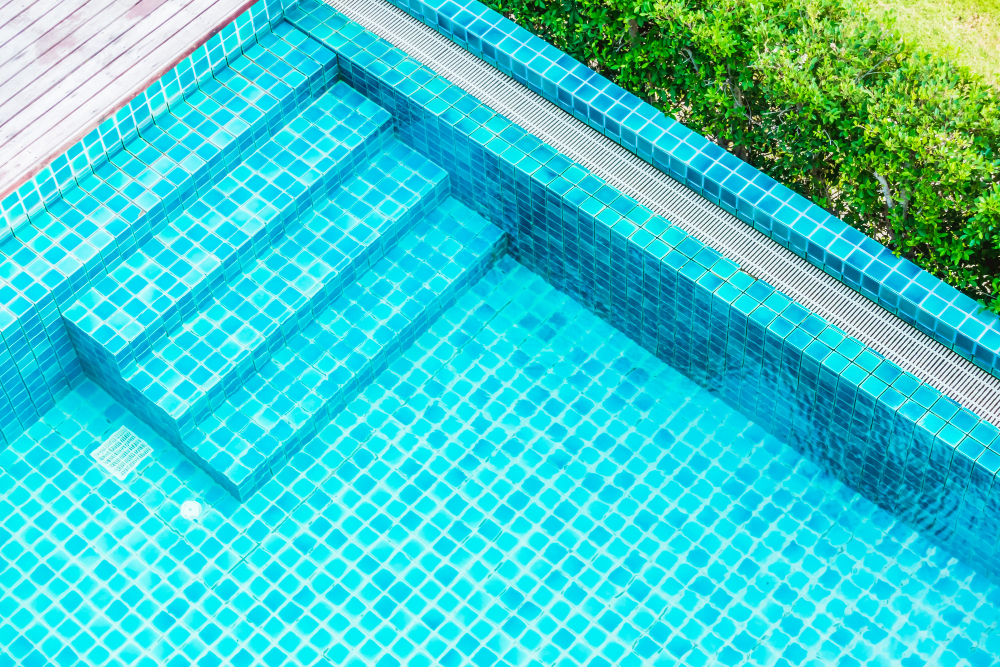
Living in Orlando means enjoying the pool year-round, but our specific climate throws some serious curveballs at pool owners. Between the scorching UV rays, the sudden afternoon thunderstorms, and the naturally hard water in areas like Oviedo and Winter Springs, keeping a pool in top shape feels like a full-time job. In fact, nearly 40% of pool repairs we see in Central Florida stem directly from environmental factors rather than equipment failure.
If you're noticing cracks in your deck, green water after a storm, or stubborn white scale on your tiles, you aren't alone. This guide breaks down exactly how Orlando's unique environment impacts your pool and what you need to do to fix it.
How Intense Heat Damages Orlando Pools
Orlando's sun isn't just hot; it's relentless. With average highs hitting the 90s from May through September, the UV radiation and heat take a toll on every part of your pool structure.
Why Does My Pool Plaster Crack and Fade?
The intense UV exposure in Central Florida causes pool finishes to degrade faster than in cooler climates. When water temperatures consistently stay above 85°F, the chemical balance becomes harder to maintain, which can lead to aggressive water that attacks the plaster surface.
We often see "spalling" or flaking in older pools, particularly in neighborhoods like Dr. Phillips where pools might be 15-20 years old. Resurfacing a pool in Orlando typically costs between $4,000 and $8,000 depending on the finish you choose. Quartz and pebble finishes hold up much better against our sun than traditional marcite, lasting 10-15 years compared to just 5-7 years for standard plaster.
If you spot small hairline cracks, don't ignore them. In our heat, these expand quickly. Patch repairs usually run $300-$500, which is far cheaper than a full resurface job down the road.
Dealing With Summer Algae Blooms
Algae loves warm water, and Orlando pools are practically a petri dish during the summer months. When water temperatures exceed 85°F, chlorine dissipates rapidly—sometimes within a few hours of direct sunlight.
Mustard algae is the most stubborn offender we see in Orange County. It clings to walls and looks like yellowish dirt that puffs away when you brush it, only to return the next day. Green algae is more common and usually signals a drop in sanitizer levels.
To prevent this, you'll need to run your pump longer during summer—typically 8-10 hours a day. We also recommend using a stabilizer (cyanuric acid) to protect your chlorine from the sun, but keep levels between 30-50 ppm. If algae takes hold, a professional "shock" treatment and filter clean typically costs $150-$300 depending on the severity.
Storm-Related Pool Disasters
Hurricane season runs from June to November, but even our standard summer afternoon thunderstorms can dump inches of rain and debris into your pool in minutes.
What to Do After Heavy Debris Falls
After a storm, organic debris like oak leaves, palm fronds, and pine needles can wreck your pool's chemistry overnight. As this debris decays, it releases phosphates, which are essentially fertilizer for algae.
In older neighborhoods with mature tree canopies, like Winter Park or College Park, this is a massive issue. If a storm hits, clear the skimmer baskets immediately. If debris sinks to the bottom, it can stain the finish within 24 hours.
If you have a lot of debris, don't rely solely on your automatic cleaner; it will likely clog. Manually scoop out the big stuff first. A post-storm cleanup service usually costs around $125-$200 if you want a pro to handle the vacuuming and chemical rebalancing to ensure the water is safe.
Structural Risks From Hurricanes
Heavy rains can raise the water table quickly. In Florida's sandy soil, this creates hydrostatic pressure that can actually pop an empty pool out of the ground. That's why we always tell homeowners: Never drain your pool completely before a storm.
We also see structural leaks develop after hurricanes. The ground shifts, putting stress on the plumbing pipes underground. If you notice your water level dropping more than 1/4 inch per day after a storm, you likely have a leak.
Leak detection services in Orlando generally cost $250-$400. Fixing a cracked skimmer or a broken pipe underground can range from $500 to over $1,500, but catching it early prevents erosion under the pool shell.
Hard Water Headaches in Central Florida
If you live in East Orlando or Seminole County, you know about hard water. Our local aquifer water is loaded with calcium and magnesium, which spells trouble for pools.
Calcium Buildup on Equipment
Calcium scaling is the white, crusty buildup you see on tile lines and inside salt cells. When calcium hardness levels rise above 400 ppm (parts per million), the water can't hold the mineral in solution anymore, so it deposits it onto surfaces.
This buildup ruins heaters and clogs salt chlorinator cells, reducing their lifespan by half. Replacing a salt cell costs $600-$900, so preventing scale is vital. We recommend testing calcium hardness monthly. If it's too high, you typically have to drain a portion of the pool and refill it with fresh water, though in some areas the fill water is already hard, requiring the use of sequestering agents.
Dealing With Stubborn Stains
Hard water also interacts with metals like iron and copper to create ugly stains. We often see brown or purple discoloration on steps and swim-outs.
In the Wedgefield area, where many homes are on well water, iron staining is extremely common. These stains are tough to remove with just brushing. An acid wash is often required to lift them, which involves draining the pool and scrubbing the surface with a specialized acid mixture. This service starts around $450 but restores the bright look of your finish.
Regular maintenance prevents this. Using a metal sequestrant product weekly (about $20-$30 per bottle) keeps metals suspended in the water so the filter can catch them before they stain your walls.
Why Proactive Maintenance Saves You Money
You might think skipping a few weeks of service saves cash, but in Orlando's climate, neglect gets expensive fast.
The Value of Scheduled Inspections
Having a pro look at your equipment regularly catches small issues before they become disasters. For example, a $15 O-ring replacement on your pump lid prevents the pump from running dry and burning out the motor—a $600+ mistake.
We recommend a professional inspection at least twice a year, ideally in spring and fall. A comprehensive maintenance plan usually costs $120-$180 per month in Orlando, which covers weekly cleaning, chemical balancing, and equipment checks.
Balancing Chemicals in the Heat
Chemical balance isn't just about clear water; it's about protecting your investment. If pH gets too low (acidic), it eats away at your heater's copper heat exchanger. If it gets too high, chlorine stops working effectively.
During our rainy season, rainwater (which is acidic) constantly messes with your pH levels. You'll likely need to add soda ash or sodium bicarbonate frequently to keep pH between 7.4 and 7.6.
If you're unsure about handling muriatic acid or other harsh chemicals, hiring a service is safer. Plus, we have access to industrial-strength chemicals that work faster and more effectively than what you buy at the big-box stores.
When to Call a Pro
While skimming leaves is easy enough, some problems require an expert. If you see cracks in the pool shell, hear loud screeching from your pump, or can't get the water clear after 48 hours of filtration, it's time to call for help.
Living in Orlando offers the perfect lifestyle for pool owners, but it requires vigilance. By understanding how our heat, storms, and water quality affect your pool, you can stay ahead of repairs and keep your backyard oasis ready for that next cannonball.
If you're tired of battling green water or worrying about that crack in the tile, we're here to help.
Need expert help with your Orlando pool? Contact All Phase Pool Remodeling today for a consultation.