Jacksonville Pool Renovation Trends for 2026: Costs & Upgrades
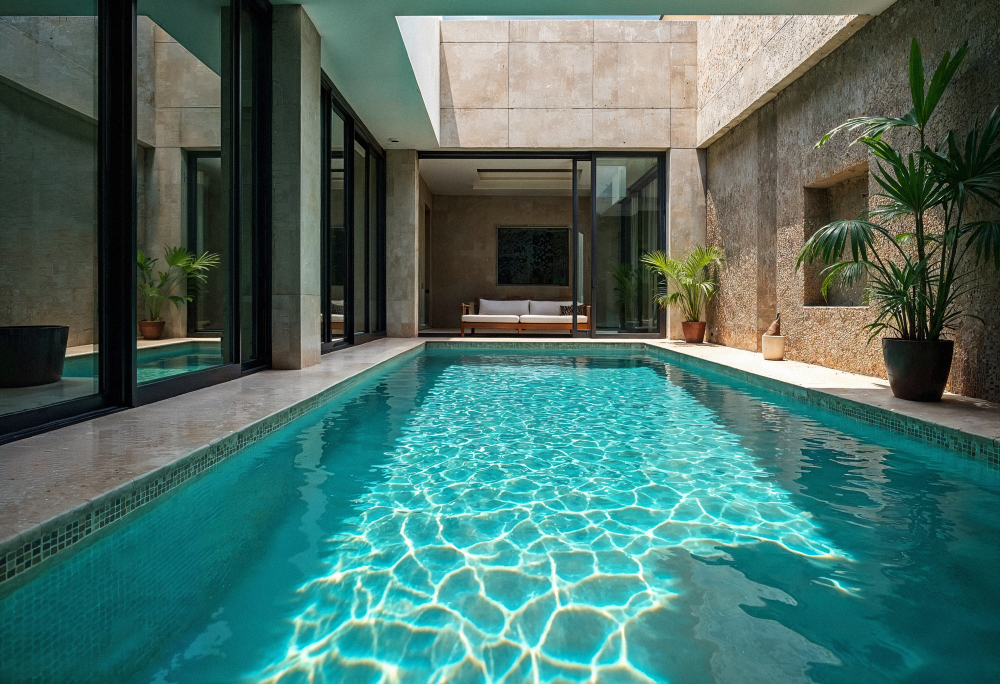
You bought your home for the lifestyle, but an outdated or damaged pool can quickly turn that dream into a maintenance nightmare. In Jacksonville neighborhoods like San Marco and Mandarin, we often see pools built in the 1990s that desperately need more than just a quick patch. Homeowners are now looking for functional upgrades that handle our humid summers, lower energy bills, and add real property value.
What Are the Top Pool Renovation Trends in Jacksonville?
Jacksonville homeowners focus on energy efficiency and modern aesthetics for their 2026 renovation projects. About 65% of local projects we manage now include saltwater conversions or automation upgrades. In areas like Ponte Vedra and Avondale, we see a distinct shift away from traditional kidney shapes and blue tile toward clean lines, geometric features, and neutral pebble finishes.
The demand for pool renovation in Jacksonville, FL, is driven by the desire to extend the swimming season and reduce weekly maintenance. Data from Pkdata indicates that pool usage has surged, leading owners to invest in longevity rather than quick fixes [1]. We're seeing fewer "band-aid" repairs and more full-scale remodels that strip pools down to the shell. This allows us to address underlying plumbing issues common in Florida's sandy soil while updating the look.
In our experience, the most successful renovations combine visual updates with behind-the-scenes mechanical improvements. If you only resurface the pool but leave a 15-year-old pump running, you're not getting the full value of your investment.
Trend 1: Saltwater Conversion
Converting to a saltwater system costs between $1,500 and $2,500 but saves significant money on chemicals over time. In Jacksonville's climate, saltwater feels softer on the skin and eliminates the harsh chlorine smell that often lingers after a swim. It simplifies maintenance for homeowners in busy areas like Southside who don't want to handle liquid chlorine jugs weekly.
The biggest misconception we hear is that saltwater pools are chlorine-free. They aren't. A salt cell generator uses electrolysis to turn dissolved salt into pure chlorine. This process provides a steady, consistent level of sanitation without the spikes and drops associated with manual dosing.
Why Locals Love It
We find that saltwater systems are particularly forgiving during our heavy summer rainstorms. Rainwater dilutes pool chemistry, often leading to algae blooms in traditional pools if you miss a treatment. Salt systems recover faster because they generate chlorine continuously while the pump runs. Plus, no more faded swimsuits or red eyes for the kids.
Trend 2: Energy-Efficient Upgrades
Installing variable-speed pumps reduces energy bills by up to 90% compared to single-speed models. For a standard pool in Arlington or the Beaches, this translates to savings of $300 to $500 annually. New LED lighting also cuts consumption while adding customizable ambiance for evening swims.
Florida law now requires variable-speed pumps for most filtration applications because they are so efficient. An old single-speed pump runs at full power (3,450 RPM) all day, which is like driving your car at 100 mph just to go to the grocery store. Variable-speed pumps dial down to low RPMs for filtration, using a fraction of the electricity.
The Impact of LED Lighting
Old incandescent pool lights burn 300 to 500 watts. Modern LED niche lights use 20 to 40 watts and last ten times longer. We recommend color-changing LEDs for homeowners who entertain. You can switch from a cool "Sky Blue" for a refreshing look to a "Magenta" or "Red" for evening parties.
Trend 3: Smart Pool Technology
Smart controls allow you to manage temperature, lighting, and cleaning from your phone anywhere in Duval County. Systems like Jandy or Pentair cost $1,500 to $3,500 installed. This tech is crucial for managing spas or water features without walking out to the pump equipment pad in the dark.
We recently installed a system for a client in Nocatee who travels frequently. They can check their water chemistry and turn on the heater from the airport so the spa is hot when they get home.
Automation Features
- Remote Monitoring: Check pump status and errors from an app.
- Voice Control: Integrate with Alexa or Google Home to say, "Turn on the spa."
- Scheduling: Set different run times for summer versus winter without touching the timer pins.
Trend 4: Resurfacing with Modern Materials
Resurfacing a pool with pebble or glass bead finishes costs $6,000 to $15,000 depending on size. Unlike standard marcite that lasts 5-10 years, these aggregate finishes last 15-20 years and resist staining from our local oak leaves and pollen.
Marcite (white plaster) is soft and porous. It degrades quickly under the Florida sun and chemical exposure. Pebble finishes contain small stones mixed into the cement. This creates a harder, non-porous surface.
Popular Finishes in Jacksonville
- Mini-Pebble: Smooth texture, looks like a natural riverbed. Popular colors include French Gray and Midnight Blue.
- Glass Beads: Adds sparkle to the water. The beads capture sunlight, making the pool water look deeper and more vibrant.
- Quartz: A step up from plaster, harder and more stain-resistant, but cheaper than pebble.
Trend 5: Deck and Patio Enhancements
Upgrading cracked concrete decks to travertine pavers keeps the surface cooler under the Florida sun. Travertine installation runs $15 to $30 per square foot. It absorbs water instantly, preventing puddles and slips, which is vital during our frequent afternoon thunderstorms.
We see many concrete decks in Jacksonville that have settled or cracked due to tree roots and soil shifting. Instead of pouring new concrete which might crack again, pavers offer a flexible system. If a tree root lifts an area, we can pull up those specific pavers, cut the root, and relevel the sand base.
Pavers vs. Decorative Concrete
While stamped concrete is an option, it requires resealing every 2-3 years to handle UV rays. Travertine is a natural stone that requires minimal maintenance. It doesn't fade, and its natural variation hides dirt and leaves better than a painted surface.
Trend 6: Water Features
Adding a sheer descent waterfall or deck jets starts around $1,500 per feature. These additions cool the water by 2-4 degrees through aeration. In July and August, when pool water can feel like bathwater, this aeration makes a noticeable difference in comfort.
Water features also act as a noise barrier. If you live near a busy road like Atlantic Boulevard or San Jose Boulevard, the sound of falling water helps mask traffic noise, creating a more private retreat.
Types of Features
- Deck Jets: Arcs of water shooting from the deck into the pool.
- Sheer Descents: A sheet of water falling from a raised wall.
- Bubblers: Fountains on a sun shelf (baja shelf) that bubble up like a natural spring.
Trend 7: Outdoor Kitchen Integration
Integrated outdoor kitchens with built-in grills cost $5,000 to over $20,000. In neighborhoods like Nocatee and Shearwater, these are standard for entertaining year-round. A pool is no longer just for swimming; it's the anchor for a complete outdoor living space.
We coordinate plumbing and electrical work to ensure your outdoor kitchen works safely near the wet pool environment. This often involves extending gas lines for grills and installing GFI-protected outlets for fridges and blenders.
Design Considerations
- Placement: Position the kitchen downwind from the house to keep smoke away.
- Materials: Use marine-grade polymers or stainless steel for cabinets to withstand humidity and salt air.
- Countertops: Granite or concrete holds up best against UV rays and rain.
Cost and Timeframe Expectations
A full cosmetic renovation in Jacksonville typically costs $25,000 to $55,000 and takes 4 to 8 weeks. Timeline factors include permitting in Duval County, material availability, and weather delays during hurricane season (June through November). Simple equipment swaps take only 1-2 days.
Breakdown of Costs
- Resurfacing: $6,000 - $15,000
- New Tile & Coping: $3,000 - $6,000
- Paver Deck: $10,000 - $25,000
- Equipment Set (Pump, Filter, Heater, Automation): $5,000 - $12,000
Permitting in Jacksonville
Duval County and St. Johns County have specific requirements for pool renovations, especially regarding electrical safety and barrier codes. We handle the permitting process, which can take 2-4 weeks before work begins. We ensure all new electrical bonds meet the 2023 Florida Building Code to protect your family from shock hazards.
Benefits of Staying Current with Pool Trends
Upgrading now increases property value by 5-7% in competitive markets like Riverside. Beyond value, modern equipment lowers monthly utility bills immediately. Fixing structural issues prevents costly leaks that can undermine your home's foundation in our sandy soil.
Enhanced Lifestyle
A renovated pool invites you outside. When the water is sparkling, the equipment is quiet, and the temperature is perfect, you use the pool more. It becomes the gathering place for family barbecues and morning coffee.
Environmental Impact
Reducing energy and chemical use helps the local environment. Lower chlorine levels mean safer drainage (when necessary) and less chemical runoff. Variable-speed pumps reduce the load on the JEA power grid during peak demand times.
Need Help With Your Pool Renovation?
Renovating a pool is a big decision, but you don't have to navigate it alone. Our team at All Phase Pool Remodeling brings years of local experience to every project. We know Jacksonville codes, climate, and soil conditions better than anyone.
Contact All Phase Pool Remodeling today for a free consultation. We'll inspect your current pool, listen to your goals, and provide a detailed quote for bringing your backyard vision to life.