5 Signs You Need Pool Repair in Jacksonville, FL (Before It Gets Pricey)
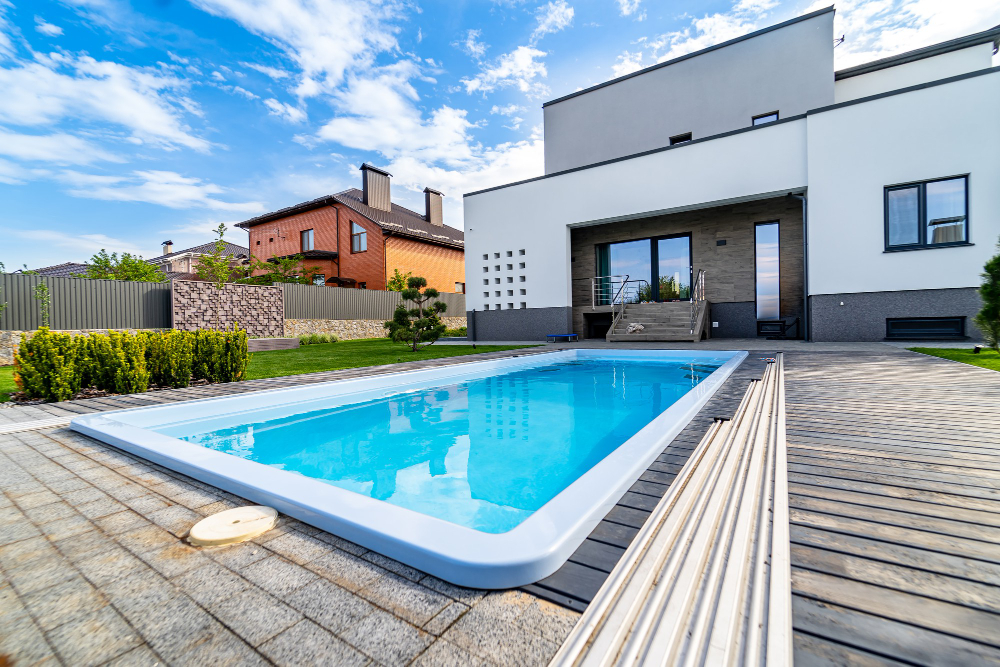
It’s a blazing July afternoon in Jacksonville. You’ve just finished mowing the lawn in 90-degree heat, and all you want to do is jump in the pool. But when you walk out to the patio, the water looks cloudy, or worse, the pump is screaming like a jet engine.
We see this scenario constantly across Northeast Florida. Many homeowners think a pool just takes care of itself, but the harsh Florida sun, sandy soil, and heavy afternoon storms take a toll on your backyard oasis. Identifying problems early prevents a $200 fix from turning into a $5,000 renovation. Whether you live in a historic home in San Marco or a new build near the Town Center, knowing what to look for keeps your swim season uninterrupted.
Here is your guide to spotting the warning signs that you need pool repair in Jacksonville, FL.
How Do I Know If My Pool Needs Repair?
You need professional repair if you notice water loss greater than 1/4 inch per day, cracks wider than a credit card, or equipment that hums without moving water. In Jacksonville, the most common issues stem from pump failure due to long running hours or plumbing leaks caused by shifting sandy soil. Addressing these specific signs immediately saves you money on water bills and prevents structural damage to the pool shell.
Ignoring these symptoms doesn't make them go away. In fact, a small leak can erode the ground beneath your pool deck, leading to sinking pavers or cracks in the foundation. Let's look at the specific red flags you should watch for.
What Do Surface Cracks Tell You About Your Pool?
Surface cracks usually indicate delamination or settling issues, which are frequent in Florida's sandy terrain. While hairline "spider cracks" in the plaster are often just cosmetic, structural cracks deeper than 1/8 inch require immediate pool repair in Jacksonville, FL. If you ignore these fissures, chemically treated water will seep into the concrete shell, rusting the rebar and compromising the pool's integrity.
Types of Cracks to Watch For
Not all cracks are created equal. We typically see two main types in our area:
- Surface Crazing: These are tiny, web-like cracks. They often happen when the pool surface dries out too quickly during installation or if the pool was drained and left empty in the sun. While they aren't an immediate emergency, they can snag bathing suits and feel rough on your feet.
- Structural Cracks: These are the ones to worry about. They often appear in corners, on steps, or running down the wall. If you have a pool in an area with softer soil, like near the Intracoastal, settling can cause the shell to shift. If you can fit a dime into the crack, it's time to call us.
Is My Pool Leaking or Is It Just Evaporation?
In Jacksonville, evaporation claims about 1/4 inch of water daily during the summer months due to heat and humidity. If you lose more than that, or if you see consistent wet spots in your yard near the equipment pad, you likely have a leak. You can perform a simple "bucket test" over 24 hours to confirm if professional pool repair in Jacksonville, FL is necessary.
How to Do the Bucket Test
Before you panic about a leak, try this. Fill a 5-gallon bucket with pool water about an inch from the top. Place it on the top step of the pool so the water temperature stays the same. Mark the water level on the inside of the bucket and the water level of the pool on the outside of the bucket.
Check it 24 hours later. If the pool water level (outside mark) dropped more than the water inside the bucket, you have a leak. Leaks cost you money in water and chemicals. A small pinhole leak can waste hundreds of gallons a week.
Why Won't the Algae Go Away?
Persistent algae often signals a filtration or circulation problem rather than just a chemical imbalance. If you shock the pool and the green (or black) spots return within 48 hours, your filter cartridges may be ruined, or your pump impeller is clogged. This situation requires professional pool repair to restore proper water flow and sanitation.
The Jacksonville Algae Battle
Our weather contributes to this. Those heavy afternoon thunderstorms we get from June through September dump fresh water into your pool. This dilutes your chlorine and messes up your pH balance.
If your equipment isn't running at 100%, it can't keep up with the organic debris and rain. We often see "Black Algae" in older pools with pitted surfaces. This algae has roots that dig into the plaster. No amount of brushing will fix it if your circulation is weak. You might need to repair the filter manifold or upgrade your pump to handle the load.
How Do I Tell If My Pool Equipment Is Failing?
A screaming or grinding pool pump typically means the bearings are shot or the motor is overheating. In Jacksonville, pumps run 8-10 hours a day year-round, causing significant wear after 5-7 years. Replacing bearings might cost $150-$300, while a full variable-speed pump replacement runs $1,200-$1,800 depending on the horsepower and model.
Listen to Your Equipment
Your pool equipment pad should sound like a steady hum. If it sounds like:
- Rocks in a blender: Your pump impeller is likely clogged with acorns or debris.
- A high-pitched scream: The bearings inside the motor are rusted.
- Humming but not starting: The capacitor is bad, or the motor is seized.
Also, check your filter gauge. If the pressure is consistently 10 PSI higher than "clean" pressure, and you just cleaned the filter, the cartridges or grids inside are likely damaged.
Does Weather in Jacksonville Damage Pools?
Yes, Jacksonville's intense UV rays, heavy afternoon thunderstorms, and sandy soil all contribute to accelerated pool damage. Soil shifting can crack the shell or deck, while heavy rains dilute chemicals, leading to acidic water that eats away at heater coils and pump seals. Regular checks prevent this weather-related wear from becoming a major structural issue.
The Hidden Cost of UV Damage
The Florida sun doesn't just burn your skin; it burns your pool equipment. PVC pipes become brittle and crack over time. The plastic housing on your pump can warp. Even your pool interior fades.
We recommend inspecting your exposed plumbing twice a year. If you see PVC pipes turning yellow or brown, they are becoming brittle. A simple bump with a lawnmower could shatter them, draining your pool quickly. Painting your PVC pipes with UV-resistant paint is a cheap preventative measure.
How Much Does Pool Repair in Jacksonville, FL Cost?
Minor repairs like fixing a leaky valve or replacing a pump seal typically cost between $150 and $400. Major issues like resurfacing a peeling interior or fixing a structural crack range from $4,000 to $8,000 or more. Catching problems early keeps costs at the lower end of the spectrum for Jacksonville homeowners.
The Cost of Neglect
We hate giving bad news to homeowners, but we see it often. A $20 pump seal leak that gets ignored drips water onto the motor. Eventually, that water rusts the motor out. Now, a $20 repair becomes a $1,200 pump replacement.
Here are some general price ranges you might expect in our local market (estimates vary by job size):
- Leak Detection: $300 - $500
- Filter Cleaning/Gridding: $150 - $250
- Pool Heater Repair: $300 - $800
- Tile Repair (per linear foot): $30 - $50
When Should I DIY vs. Call a Pro?
DIY is fine for cleaning filters, skimming debris, emptying baskets, or balancing pH levels. Call a pro for pool repair in Jacksonville, FL if you deal with electrical components, gas heaters, or leaks that involve digging. Mistakes with electrical wiring near water are dangerous and violate Orange County and Duval County building codes.
Safe DIY Tasks
You can handle the basics. Keeping your chemistry balanced is the best way to prevent repairs. Brushing the walls weekly helps protect the finish. Changing the O-ring on your pump lid is also a simple fix if it's sucking air.
When to Call Us
Don't mess with the gas line on a pool heater. Don't try to patch a major crack in the concrete yourself; over-the-counter epoxy is a temporary patch, not a fix. And if you have a leak under the deck, you need specialized listening equipment to find it without tearing up your whole patio.
Why Choose All Phase Pool Remodeling?
We understand the specific challenges of Northeast Florida pools because we live and work here. From the salt air near the beaches to the tree roots in established neighborhoods, we know what attacks your pool. We are licensed, insured, and focused on fixing it right the first time.
When you hire All Phase Pool Remodeling, you aren't getting a random subcontractor. You get a team that cares about your property. We have references from homeowners right in your area who trust us to keep their pools running.
The Bottom Line on Pool Care
Your pool should be a source of relaxation, not stress. If you notice leaks, cracks, or loud equipment, don't wait for the problem to get worse. Early detection is the best way to save money and save your summer.
Need Help With Your Pool?
If you suspect you need pool repair in Jacksonville, FL, contact All Phase Pool Remodeling today. We’ll diagnose the issue and get you back to swimming fast.
References
[1] ”How Much Does Pool Repair Cost?" HomeAdvisor, 2024